Jamaican Food Dishes That Showcase Island Flavor
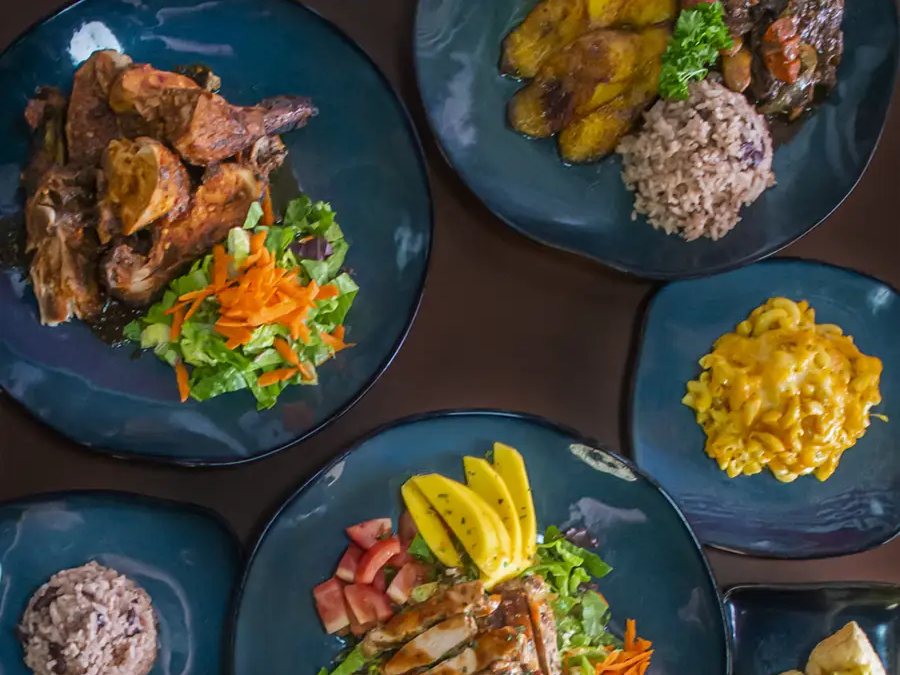

Jamaican food carries a kind of confidence that is hard to mistake. It is assertive without being fussy, deeply seasoned without losing clarity, and shaped by history in ways that show up in every bite. Spend enough time around a Jamaican kitchen, whether in Kingston, Montego Bay, Port Antonio, or in diaspora communities abroad, and you start to notice that the food is not built on a single note of heat or smoke. It is built on balance. Scotch bonnet peppers bring intensity, but sweetness from onions, richness from coconut milk, earthiness from yam, and brightness from thyme or pimento keep the plate grounded.
That is what makes the best Jamaican food so memorable. It does not rely on novelty. It relies on command. A cook knows when the curry should be deep and mellow rather than sharp, when the rice needs the perfume of scallion, and when a piece of fish should be left nearly untouched because the sea has already done enough work. The result is a cuisine that feels both generous and exact.
To understand island flavor, it helps to look closely at the dishes people return to again and again. Some are famous far beyond Jamaica. Others are less celebrated internationally but just as essential at the table. Together, they show how the island cooks with spice, starch, smoke, salt, fruit, and time.
The backbone of Jamaican flavor
Before getting into individual dishes, it is worth pausing on the ingredients and habits that tie the cuisine together. Jamaican food is often discussed through its most visible symbols, jerk seasoning, patties, curry, but the deeper character comes from a handful of recurring building blocks used with judgment.
Pimento, known elsewhere as allspice, is one of the most important. It gives warmth that suggests clove, cinnamon, and pepper at once, but in Jamaican cooking it tastes less like a holiday spice and more like a structural element. Scotch bonnet peppers are another pillar. They are fruity as well as hot, which matters. A bland hot pepper can flatten a stew. A Scotch bonnet can perfume it.
Then there is thyme, scallion, garlic, ginger, and onion, used so often that they form a kind of aromatic base note across the cuisine. Browning sauce appears in many home kitchens, especially for stews, adding color and a subtle bittersweet depth. Coconut milk softens and enriches. Saltfish brings salinity and history. Green bananas, breadfruit, cassava, yam, and plantain remind you that starch in Jamaican food is never an afterthought. It is a crucial part of the meal’s architecture.
The methods matter too. Meat is often marinated for hours, not minutes. Soups are cooked until root vegetables begin to surrender some of themselves to the broth. Frying is done hard enough to create crisp edges that hold up against sauce. Grilling over pimento wood, where possible, produces a flavor that shortcuts cannot quite mimic.
Jerk chicken, the dish that announces itself before you see it
If one dish has come to symbolize Jamaican food globally, it is jerk chicken. That fame is deserved, though it has also led to many weak imitations. Real jerk is not just chicken with a spicy rub. It is a cooking tradition with roots in maroon communities, where methods of seasoning and smoking meat developed under conditions that demanded both resourcefulness and skill.
At its best, jerk chicken starts with a marinade that is aggressive in the right ways. Scotch bonnet, scallion, thyme, garlic, ginger, pimento, black pepper, and often a touch of sweetness work together to form a paste that penetrates the meat. Some cooks add soy sauce, vinegar, or lime juice. Others keep it simpler. The exact formula varies by household, street vendor, and region. What should not vary is the depth of seasoning. If the flavor sits only on the surface, it is not there yet.
The cooking is just as important. Traditional jerk over pimento wood creates smoke that is aromatic rather than blunt. The skin blisters and darkens, the fat renders, and the edges char enough to create bitterness in small, welcome doses. That char is part of the point. Good jerk tastes alive. First comes the smoke, then the heat, then the sweetness of the meat itself.
The version sold from roadside jerk pans often has a character that restaurant versions struggle to match. There is usually a little more roughness to it, a little more smoke in the skin, sometimes a slightly uneven cook that actually makes the meat more interesting. You may get pieces that are almost lacquered at the ends while the thigh stays juicy. Paired with festival, roasted breadfruit, or hard dough bread, it becomes a lesson in contrast.
Jerk pork, richer, smokier, and often even better
Jerk chicken may be more widely known, but many serious eaters will tell you jerk pork is the more thrilling expression. Pork’s fat takes smoke beautifully, and the seasoning sinks into the flesh in a way that gives each bite more depth. The best cuts have enough marbling to stay moist over long cooking, often shoulder or other well-worked portions rather than lean loin.
A proper piece of jerk pork should have several textures in one mouthful. There is the crust from the grill, the tender interior, and the rendered fat carrying allspice and pepper through the meat. The spice blend reads differently on pork than on chicken. It feels rounder, more integrated, less dependent on surface crispness.
This is also one of the best examples of how Jamaican food handles heat with maturity. A very hot piece of jerk pork is not there to punish you. The pepper should sharpen the richness, not overwhelm it. When cooks get the ratio right, the result is smoky, savory, hot, and almost sweet at the same time.
Ackee and saltfish, the national dish for good reason
Ackee and saltfish is the kind of dish that explains a country’s palate in a single plate. Salt cod arrived through trade and necessity. Ackee, brought from West Africa, took root so thoroughly in Jamaica that it became inseparable from the island’s food identity. Together they create something more subtle than outsiders often expect.
Ackee has a soft, delicate texture that many compare to scrambled eggs, though the flavor is milder and more buttery. Saltfish, once soaked and boiled to remove excess salt, contributes savory weight and chew. Onions, tomatoes, scallions, thyme, and Scotch bonnet tie everything together. The dish is not meant to be saucy or aggressively spicy. It should feel cohesive, almost gentle, with enough salt to wake up the ackee and enough herbs to keep it bright.
Served with fried dumplings, boiled green bananas, yam, or breadfruit, ackee and saltfish becomes a full breakfast with staying power. It is also one of the clearest examples of how Jamaican cooking transforms preserved ingredients into something fresh and elegant. That transformation is not accidental. Timing matters. Ackee can break down if overworked. Saltfish can dominate if not prepared carefully. The cook has to know when to stop.
Curry goat, slow-cooked authority in a pot
Few dishes command a room like curry goat. You smell it before it reaches the table, and when it is done well, the aroma is enough to make people hover near the kitchen. https://waylonqdeg957.swiftnestly.com/posts/jamaican-food-for-special-occasions-and-everyday-meals Jamaican curry differs from Indian curry in its path and profile, though the influence is undeniable. Over generations, curry powder became naturalized into island cooking, often heavier on turmeric, coriander, fenugreek, and local preferences for heat and savor.
Goat is ideal for this treatment because it stands up to seasoning and rewards long cooking. A rushed curry goat is a disappointment. The meat needs time to relax and release flavor into the gravy. Potatoes may be added toward the end, not only to stretch the pot but to absorb the sauce and thicken the dish naturally.
The mark of a good curry goat is depth without muddiness. The curry powder should taste toasted and mature, not raw. The gravy should cling to rice, not run away from it. The meat should be tender enough to pull from the bone without becoming stringy. At celebrations, especially parties and family gatherings, curry goat often disappears quickly for a reason. It feels festive, substantial, and deeply satisfying.
Oxtail, where patience becomes flavor
Oxtail has become one of the most sought-after Jamaican dishes internationally, and for understandable reasons. It has richness, body, and a kind of slow-building luxury that comes from collagen breaking down over hours. Jamaican oxtail is usually seasoned assertively, browned, then braised with butter beans, herbs, and aromatics until the sauce turns glossy and full.
What separates a great pot of oxtail from a merely heavy one is restraint. Because the cut is rich, the seasoning has to lift rather than bury it. Browning sauce can add color and character, but too much makes the gravy bitter. Butter beans should remain intact enough to offer contrast. The meat should not just be soft, it should still taste like itself.
This is also a dish where rice and peas are not optional in spirit, even if technically nothing is mandatory. The rice catches the sauce, and the peas, which in Jamaica often means kidney beans or gungo peas depending on the dish, make the meal complete. A plate of oxtail with rice and peas, steamed cabbage, and perhaps fried plantain is one of the most persuasive arguments for Jamaican comfort food ever made.
Rice and peas, not a side dish to be ignored
People unfamiliar with Jamaican food sometimes treat rice and peas as background. That is a mistake. A good pot can elevate the entire meal, while a weak one leaves the plate feeling incomplete. In Jamaica, rice and peas is often cooked with coconut milk, thyme, scallion, garlic, and Scotch bonnet, giving it fragrance and depth that plain rice simply cannot provide.
Texture matters. The grains should be separate but not dry. The coconut milk should enrich without making the rice greasy. The peas should be tender and seasoned all the way through. On Sundays especially, rice and peas carries a ceremonial weight. It is part of the rhythm of the week, a familiar center around which meats, vegetables, and family conversation gather.
The dish also shows something important about Jamaican cooking. Flavor is not reserved for the headline item. The supporting elements are expected to do their share of the work.
Escovitch fish, sharp, hot, and brilliantly balanced
Escovitch fish is one of the island’s most vivid dishes. A whole fish, often snapper, is seasoned, fried until crisp, then topped with a punchy mixture of vinegar, onions, carrots, and Scotch bonnet peppers. It is not a shy plate. Acidity leads the charge.
Done badly, escovitch can become harsh. Done well, it is electrifying. The fish remains the star, especially when it is fresh enough to have natural sweetness and firm texture. The escovitch dressing should cut through the fried exterior and wake up the flesh without overwhelming it. The vegetables are usually still a bit crisp, which keeps the whole dish from feeling heavy.
This is a classic beach and seaside meal for good reason. It suits hot weather. It pairs well with bammy, festival, or a simple salad. It also reflects the island’s relationship to seafood, where directness often works best. When fish is good, Jamaican cooks know not to hide it.
Brown stew chicken, the everyday masterpiece
Not every iconic dish needs smoke, ceremony, or a special occasion. Brown stew chicken is one of the staples that appears in homes, takeout spots, and casual eateries because it delivers so much with ingredients that are relatively accessible. The chicken is seasoned, browned, then simmered with onions, peppers, tomatoes, thyme, and sometimes ketchup or browning for body and color.
The appeal lies in the gravy. It should be savory, lightly sweet, and deeply infused with chicken juices. The best versions taste like someone cared about each stage, from marinating the meat to browning it properly before adding liquid. Skip the browning and the dish tastes flat. Rush the simmer and the sauce never becomes itself.
Brown stew chicken also captures the practical genius of Jamaican home cooking. It stretches well, reheats beautifully, and tastes even better with rice the next day. For many families, it is less a restaurant dish than a weekly reality, one of those meals that quietly defines a cuisine from the inside.
Jamaican patties, portable, flaky, and endlessly useful
A Jamaican patty is one of the great hand-held foods anywhere. The pastry is often yellow from turmeric or curry, the filling is savory and seasoned, and the whole thing is engineered for portability. Beef is the standard for many people, but chicken, vegetable, saltfish, and spicy variations are common.
The difference between a forgettable patty and a memorable one is usually in the crust. It should be flaky without crumbling into dust, sturdy enough to hold the filling, and rich enough to feel indulgent without becoming greasy. The filling should be moist but not wet. Spice should be present, even in milder versions, because the pastry needs a lively center.
In Jamaica and across the Caribbean diaspora, patties fill several roles at once. They are breakfast on the move, lunch from a bakery, a school snack, or late-day insurance when a proper meal is far off. Slip one into coco bread and it becomes even more sustaining. That pairing may sound simple, but it delivers the kind of practical satisfaction that makes food traditions endure.
Mannish water, pepper pot soup, and the island’s respect for broth
Jamaican soups deserve more attention than they often receive. Mannish water, traditionally made from goat parts with root vegetables, herbs, and plenty of spice, is famous as a restorative and a party staple. Its reputation is large, but even leaving folklore aside, the soup shows the island’s talent for extracting enormous flavor from modest components.
Pepper pot soup is another expression of that skill. Thickened with callaloo, packed with vegetables and dumplings, and often enriched with meat, it can feel like a full meal rather than a starter. The broth is usually substantial, not delicate, but it should still taste layered rather than murky.
Soup in Jamaican cooking often carries a seriousness that outsiders underestimate. It is nourishment, economy, and technique in one pot. Saturday soup, in many households, is not a casual extra. It is part of the week’s structure.
Ital food, where restraint becomes its own kind of richness
Any serious discussion of Jamaican food should make room for ital cooking, especially within Rastafarian traditions. Ital food emphasizes natural ingredients and, depending on the cook and community, may avoid salt, meat, and processed additions. The point is not austerity for its own sake. It is attentiveness to purity, vitality, and the flavor of ingredients in a less manipulated state.
A strong ital stew, with coconut milk, pumpkin, callaloo, beans, chayote, carrots, and herbs, can be deeply flavorful without relying on heavy meat or aggressive seasoning. The spice profile often feels clearer, the sweetness of vegetables more visible. There is also a discipline to good ital cooking. Without the crutch of highly salted meat, the cook must build flavor more carefully.
For diners who think Jamaican food begins and ends with jerk and fried dishes, ital cuisine can be a revelation. It broadens the picture and reminds you that island flavor also includes freshness, subtlety, and plant-based depth.
The starches that make the meal make sense
A plate of Jamaican food is rarely complete without a starch that anchors it. This is not filler. It is part of how the meal is meant to function. Fried ripe plantain brings caramelized sweetness that cools heat and complements savory meats. Boiled green bananas offer firmness and a faint vegetal note. Bammy, made from cassava, gives a chewy, slightly tangy counterpoint to fish. Festival contributes sweetness and crunch beside jerk meats. Breadfruit, roasted or fried, delivers heft and a nutty quality that works beautifully with smoky flavors.
Here are a few pairings that show how thoughtfully these elements work:
- Jerk chicken with festival creates a sweet-spicy contrast that keeps the heat inviting.
- Escovitch fish with bammy balances acid and crunch with something soft and substantial.
- Ackee and saltfish with boiled green banana turns a delicate dish into a complete breakfast.
- Curry goat with white rice lets the gravy lead without distraction.
- Oxtail with rice and peas captures richness, sauce, and aroma in one coherent plate.
These combinations are not rigid rules, but they show how Jamaican meals are composed for contrast as much as for flavor intensity.
Sweetness at the edge of the meal
Desserts in Jamaican cooking often carry the same directness found elsewhere in the cuisine. Rum cake, with its dense crumb and deep aroma, can be festive without becoming showy. Sweet potato pudding, sometimes called hell a top and hell a bottom because of its texture contrast when baked well, delivers spice, sweetness, and chew in equal measure. Gizzada, with its pinched pastry and coconut filling, is small but memorable.
Even outside formal desserts, sweetness appears throughout the meal in strategic ways. Ripe plantain, festival, coconut drops, and sorrel drinks all contribute to the island’s broader flavor map. Jamaican food understands that sweetness is not just for after dinner. It is part of how heat, salt, and smoke are balanced from the start.
What to notice when you eat Jamaican food seriously
If you want to understand Jamaican food beyond the postcard version, pay attention to a few things that experienced cooks and regular diners tend to notice right away.
- Whether the seasoning has penetrated the meat or sits only on the surface.
- Whether heat adds flavor or simply overwhelms it.
- Whether the side dishes have been seasoned with the same care as the main item.
- Whether smoke, acidity, sweetness, and starch are working together rather than competing.
- Whether the dish tastes like it needed time, because many of the best ones do.
That last point matters more than people think. Much of the cuisine depends on marinating, simmering, soaking, braising, resting, or slow grilling. The flavor profile is often bold, but the process behind it is patient.
Why these dishes endure
The staying power of Jamaican food comes from more than strong seasoning. It comes from how well the cuisine adapts without losing itself. A patty can be eaten on a commute. Oxtail can headline a celebration. Ackee and saltfish can anchor breakfast. Ital stew can satisfy someone looking for a lighter plate. Jerk can be street food or the centerpiece of a cookout. There is range here, but also continuity.
That continuity is rooted in memory and method. Families argue over the right amount of thyme, the proper texture of rice and peas, whether a stew needs more browning, or how long jerk should sit in marinade. Those arguments are a sign of a living food culture. No dish survives this long by accident.
For anyone exploring Jamaican food for the first time, the obvious stars are worth trying, but the real education comes from seeing how the plates speak to one another. The fiery edge of jerk makes more sense once you have eaten festival beside it. The elegance of ackee becomes clearer after a salty bite of cod and a mild piece of boiled yam. Escovitch fish reveals its logic when the vinegar, pepper, crisp skin, and cassava all meet in one forkful.
Island flavor is not one thing. It is smoke from a grill, steam from a soup pot, sweetness from ripe plantain, heat from Scotch bonnet, and the quiet assurance of rice cooked properly in coconut milk. Jamaican food brings all of that to the table with remarkable clarity, and the dishes that last are the ones that show exactly how much range that clarity can hold.
Reggae Pot Jamaican Grill
2243 S Monaco St Pkwy #104
Denver, CO 80222
+1 720-410-2956
FAQ About jamaican food
What is the best Jamaican food to try in Denver?
The best choice depends on your tastes. Popular options include jerk chicken, curry goat, slow-cooked oxtail, and savory patties. Reggae Pot lists these dishes on its menu, with sides such as rice and peas and plantains. Ask the Denver team about current availability and spice levels.
Is Jamaican food very spicy in Denver?
Heat varies by dish and preparation. Jerk seasoning often includes scotch bonnet peppers alongside herbs and allspice, while other dishes may have gentler seasoning. Ask about the heat of the specific dish and any sauce before ordering.
What are some popular Jamaican snacks?
Jamaican patties are a popular snack made with flaky pastry and savory meat or vegetable fillings. Other options include fried dumplings and festival, a sweet fried dough often served with savory dishes. Availability varies, so check the current menu when ordering.