Irish Pub NYC Guide for Tourists Seeking Local Flavor
New York has no shortage of bars that claim atmosphere. Some deliver a polished version of it, all reclaimed wood and carefully distressed mirrors. A real Irish pub, or at least a very good one, works differently. It earns its feeling slowly, through the wear on the brass rail, the barkeep who remembers names, the regulars who arrive before the dinner crowd, and the way the room changes once the music starts or the football match comes on. For travelers hunting local flavor, that difference matters.
An Irish Pub NYC search can send you in ten directions at once. Midtown gives you convenience. The East Village gives you energy. The outer boroughs often give you the strongest neighborhood feel. Not every place with a shamrock over the door is worth your night, and not every great pub is trying to perform “Irishness” in an obvious way. Some of the best ones feel like they belong first to their block, then to the city, and only then to the category.
If you are visiting New York and want more than a quick pint between attractions, it helps to know what to look for, when to go, and what kind of experience each area can actually offer. The city is too large, and your time too limited, to leave it to chance.
What tourists usually get wrong about the New York pub scene
Visitors often make one of two mistakes. The first is assuming every famous pub is the best pub. The second is avoiding Manhattan entirely in the belief that anything central must be a tourist trap. Both ideas miss the point.
There are excellent Irish pubs in busy, expensive parts of town. A well-run pub near Grand Central or Penn Station can still have integrity, a sharp pint, and a crowd of people who are there because they genuinely like the place. At the same time, a pub hidden on a quieter street is not automatically better just because it is less visible.
The smarter approach is to match the pub to the kind of evening you want. If you need somewhere warm, reliable, and close to Broadway after a show, the ideal choice is not the same as the pub you would pick for a long Saturday session with live music. Likewise, if you are traveling solo, your best bet may be a room with a sociable bar counter and easy conversation, not the most photogenic place on social media.
New York’s Irish pub tradition is also broader than many tourists expect. Some pubs lean old-school, with dark wood interiors, framed county flags, and a menu that has barely changed in years. Others blend pub hospitality with city bar pragmatism. You may find Guinness poured with obsessive care in both settings. The real distinction is not old versus new, but whether the place feels lived in and confident.
How to spot a pub with real character
The signs tend to be subtle. A good pub does not need to shout. If the room is comfortable at 5 p.m. And still works at 10 p.m., that is a strong start. Lighting matters more than many travelers realize. Too bright and the place feels transactional. Too dim and it starts masking flaws. Good pubs usually land in that forgiving middle ground where you can read the menu, see the foam line on your stout, and still feel that time has slowed down.
Listen to the sound level before you even order. A proper neighborhood pub should allow conversation without making the room feel dead. Music can be present without dominating. In the best spots, you hear overlapping voices, not a single booming playlist. If there is a television, it should feel integrated into the room rather than turning the bar into a sports terminal.
The bar itself tells you a lot. Is there enough room for people to sit and settle in, or is it mostly designed for fast standing service? Are there regulars mixed in with newcomers? Does the bartender handle questions with patience rather than a rehearsed speech? New York moves quickly, but good bartenders still know how to read the room.
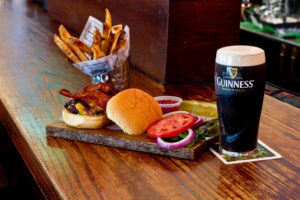
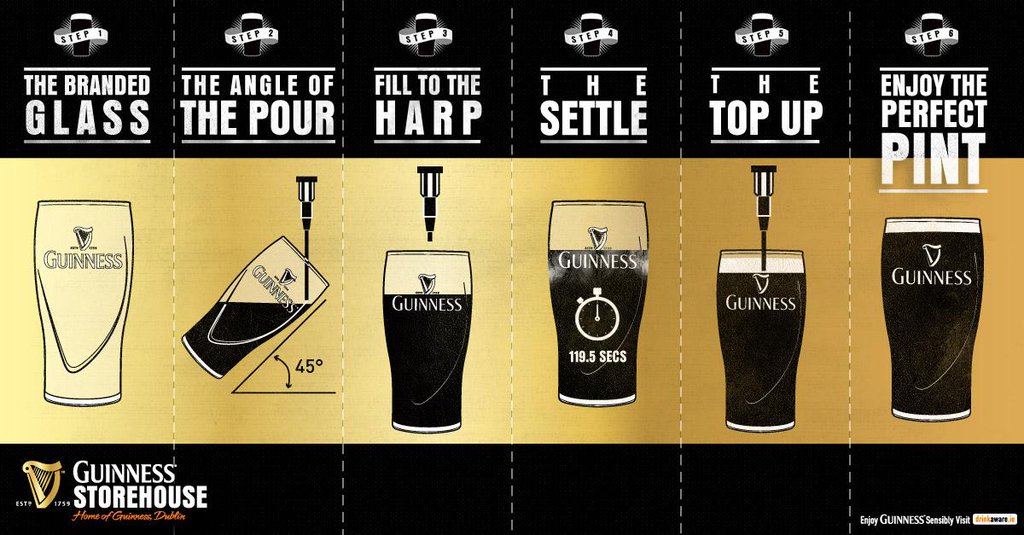
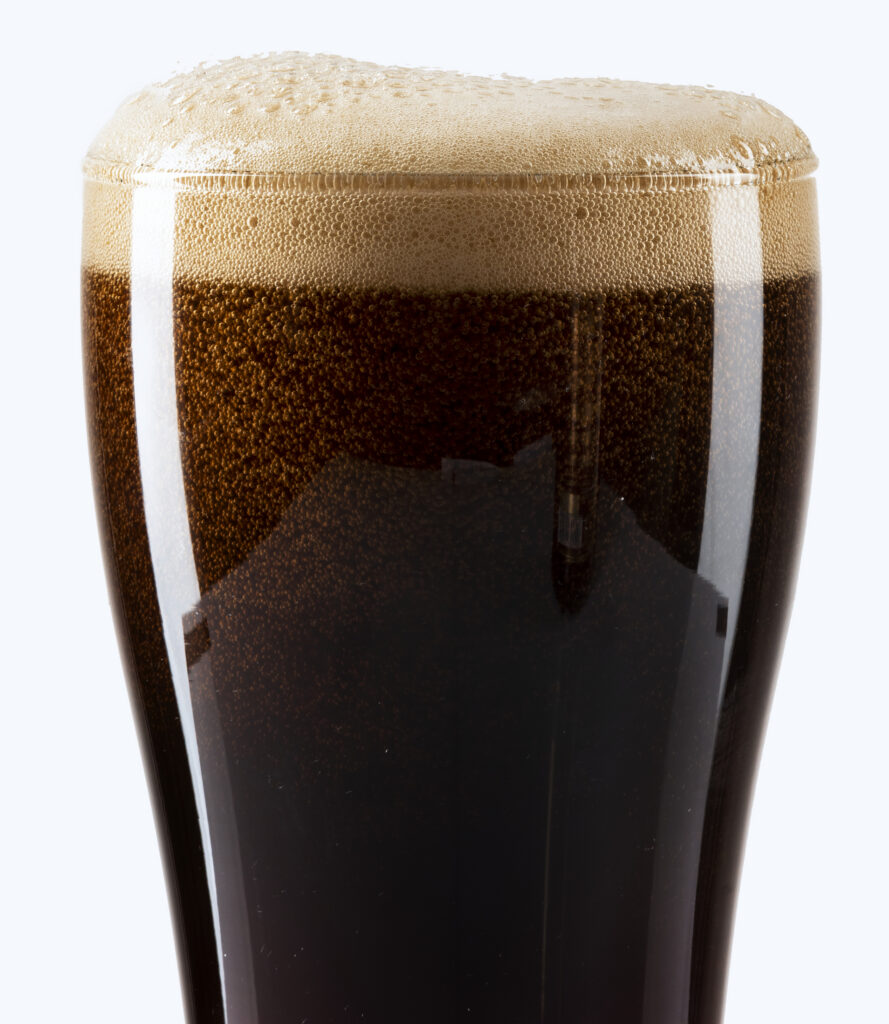
The pint matters, of course. Guinness is the obvious benchmark, and in New York there are pubs that pour it very well. Freshness, line maintenance, glassware, and pacing all play a role. A great pint arrives cool, not icy, with a tight creamy head and no rush in the presentation. You do not need to fetishize the pour, but you can usually tell within a sip whether a place takes pride in it.
Food is another clue. You are not necessarily looking for haute cuisine. In fact, if the menu is too broad, that can be a warning sign. But a pub that cares about shepherd’s pie, fish and chips, soda bread, or a simple burger usually cares about the rest of the operation too. The best pub food in New York is honest and filling, and it pairs naturally with the room rather than competing with it.
The neighborhoods that make the most sense for visitors
The city is too varied to talk about “the best Irish pub” without talking about where you are staying and how far you want to travel. For most tourists, a few neighborhoods stand out for different reasons.
Midtown, better than its reputation if you choose well
Midtown is easy to dismiss. It is crowded, expensive, and full of people going somewhere else. Yet it is also where countless New Yorkers work, which means a good pub in Midtown can draw a genuine after-work crowd. That matters. When office workers, theatergoers, and a few seasoned regulars all share the room, the place can feel surprisingly balanced.
For tourists, Midtown pubs make sense when convenience matters. You may be heading back from MoMA, stepping out of a show, or waiting for a train. In those moments, a dependable pub with a strong pint and competent kitchen is more valuable than a highly recommended place forty minutes away. The trade-off is that you may pay a bit more and encounter a louder, faster service style during peak hours.
The East Village and Lower East Side, livelier and younger
If you want energy, these neighborhoods usually deliver. The East Village in particular has long been fertile ground for bars with personality. An Irish pub here may attract students, longtime residents, and industry workers finishing late shifts. That creates a more mixed atmosphere than many https://medium.com/@hiberniabar1/about visitors expect.
The upside is spontaneity. You can walk from one place to another, compare the feel of a few rooms, and find the one that suits your mood. The downside is that some places become crowded quickly, especially on weekends. If you dislike shoulder-to-shoulder drinking, arrive earlier than you think you need to.
Lower Manhattan, useful when you want history nearby
For visitors spending time around the Financial District, the Seaport, or City Hall, Lower Manhattan can be a smart base for pub-hopping without crossing half the city. The area changes dramatically by hour. During the workday, pubs can be packed with office crowds. Later in the evening, some quiet down and become far more comfortable.
This part of town often suits travelers who like a structured day, museums or ferries in the morning, dinner downtown, then a pint before heading back. The atmosphere can feel a little more polished and less bohemian than the East Village, but it rewards people who appreciate an older, steadier pace.
Brooklyn and Queens, stronger neighborhood identity
Tourists willing to leave Manhattan often get a more local evening in return. Parts of Brooklyn, especially neighborhoods with strong residential life, can offer pubs where people know each other, where bartenders are less hurried, and where the room does not revolve around visitors. Queens can be even better for this, though it requires more planning.
The trade-off is obvious. Travel takes time, and if you are only in New York for three days, spending an hour in transit for one pint may not be the best use of your trip. But if you are staying a week, or if neighborhood texture matters more to you than landmarks, heading outward can be the right call.
A few names worth knowing
No serious guide should pretend there is one definitive map of the city’s best pubs, because ownership changes, staff turns over, and a once-great room can lose its touch. Still, a handful of names come up consistently in conversations with people who care about pubs rather than just bars.
McSorley’s Old Ale House is the obvious historic reference point. It is not a classic Irish pub in every sense, and anyone visiting should go with the right expectations. You go for age, ritual, and character, not for a broad draft list or a quiet fireside pint. It is crowded, famous, and worth seeing at least once if you care about New York drinking history.
The Dead Rabbit, downtown, is a different kind of institution. It has earned its reputation through serious drinks and a very deliberate interpretation of Irish hospitality. Some travelers will love the polish. Others may prefer something less curated. Still, if you want a place that has influenced how people think about the modern Irish bar in New York, it belongs in the conversation.
Molly’s Shebeen remains beloved for good reason. It has sawdust on the floor, warmth in the room, and the kind of atmosphere many travelers hope to find when they type Irish Pub NYC into a search bar. It feels grounded. You can settle in there without feeling rushed.
There are also many strong, less famous pubs scattered across the city, the kind of places people mention quietly because they do not need publicity to stay busy. Those are often the best finds. Ask a bartender at your hotel where they go after work, not where they send tourists. The answer is usually more useful.
Timing changes everything
A pub can feel like two different places in one day. Go at 4:30 p.m. And you might catch the room waking up, bartenders setting rhythm, locals filtering in. Return at 8:30 and it may be loud, crowded, and on its third personality shift. Neither version is wrong, but they suit different visitors.
If your goal is conversation and atmosphere, late afternoon is often ideal. You will have more choice of seats, more time to talk to staff, and a better chance to notice the details that make the place work. If you want a high-energy scene, with packed tables and music pushing the room forward, then later in the evening is where you will find it.
Sports complicate the picture in a good way and sometimes in a frustrating one. Big football matches, rugby, Gaelic games, and major U.S. Events can transform an otherwise calm pub into standing-room-only chaos. For some travelers, that is the whole point. For others, it ruins the evening. Check ahead if the day matters to you.
Here is a practical rule of thumb for timing your visit:
- Arrive before 6 p.m. For the best chance at a seat and a calmer room.
- Book ahead if the pub serves serious food and you plan to eat at peak dinner time.
- Avoid assuming Sunday is quiet, many Irish pubs do strong Sunday trade.
- Check for live music nights, they can improve the atmosphere or overwhelm it, depending on your taste.
- If there is a major match on, decide whether you want that energy before you walk in.
What to order, and what not to overthink
A lot of tourists freeze at the bar because they want to get the order exactly right. There is no need. If you want Guinness, order Guinness. In a pub that handles it well, it remains one of the most satisfying drinks in the city. If you prefer Smithwick’s, a whiskey, or a straightforward lager, nobody worth impressing is judging you.
The better question is whether the pub suits your order. A craft cocktail in a room built for pints can feel a little out of step. A whiskey pour in a quieter corner may be exactly right. Food-wise, fish and chips is a useful benchmark because it tests both fryer discipline and kitchen timing. Irish breakfast is valuable if you are there earlier in the day or for brunch. Shepherd’s pie tells you whether the kitchen cares about comfort food or is merely filling menu space.
One useful thing to remember is that New York prices are not pub prices in the old-country sense. Depending on neighborhood and reputation, a pint may cost noticeably more than you expect, especially in Manhattan. That does not mean you are being cheated. Rent, labor, and supply costs are real. What matters is whether the quality and atmosphere justify the bill.
How to behave like a welcome guest, not a passing inconvenience
Most pub etiquette in New York is common sense, but travelers sometimes misread the room. Service at the bar can be brisk, especially when it is crowded. Know your order before you wave someone over. Tip properly. In New York, one drink at the bar often means at least a dollar or two, sometimes more depending on the tab and complexity. If you are running a longer bill, a standard percentage approach is safe.
If you find a place that feels local, treat that as a privilege. Do not block service areas for photos. Do not assume live music is background noise for your own conversation. If there is a sports crowd invested in a match, respect the emotional temperature. Part of seeking local flavor is allowing the place to remain local.
Travelers who come in with curiosity tend to have the best experiences. Ask what the bartender recommends on draught. Ask whether there is music later. Ask if a dish is particularly good that night. Those questions open doors. Demanding the “most authentic” thing on the menu usually closes them.
When a famous pub is worth it, and when it is not
Famous pubs attract people for a reason. Sometimes that reason is history. Sometimes it is atmosphere. Sometimes it is simply location plus momentum. None of those are inherently bad. If visiting a storied room deepens your sense of New York, then it has done its job.
The problem starts when fame creates expectations the pub was never designed to meet. A celebrated old ale house may not be the right setting for a relaxed dinner. A polished award-winning bar may not scratch the itch for a rough-edged neighborhood pint. Know what you want before you go.
I often tell travelers to divide their pub time in two. Spend one evening at a place with a reputation, somewhere that gives you a sense of the city’s broader pub story. Spend another at a quieter neighborhood spot where the night can unfold without a checklist. That combination usually gives a more honest memory of New York than chasing only icons.
A practical plan for building a good pub night
If you want to shape the evening well, keep it simple. Start with geography, not rankings. Pick a neighborhood where you are already spending time. Add one destination pub if it genuinely interests you. Leave room for one unplanned stop.
This approach works especially well for visitors:
- Choose one primary pub based on where you will be after dinner or sightseeing.
- Arrive early enough to judge the room before it peaks.
- Eat if the kitchen has a strong reputation, otherwise save dinner for another venue and keep the pub focused on drinks and atmosphere.
- Stay for one extra round if the place improves as it fills, leave if the crowd turns the room into noise without character.
- Keep a backup nearby so a disappointing first choice does not waste the evening.
That last point matters more in New York than people expect. A pub that looks perfect online can feel flat in person. Another that barely registered in your research may become the place you remember most. The city still rewards flexibility.
Why the best pub memories are rarely about the pub alone
Ask people about their favorite Irish pub night in New York and they often begin somewhere else. They mention rain on Lexington Avenue, or getting out of a late show, or warming up after a winter walk across the Brooklyn Bridge. The pub becomes memorable because it catches the day at exactly the right moment.
That is part of what makes this corner of the city’s hospitality scene so enduring. New York can be hard on visitors. It is loud, expensive, fast, and occasionally indifferent. A strong pub cuts against that current. It gives you somewhere to land. A stool, a decent meal, a proper pint, a bit of talk, a few minutes of not having to navigate anything.
For tourists seeking local flavor, that is usually the real goal, not a staged version of “authenticity,” but a room that holds together under the weight of actual city life. The right Irish pub in NYC offers exactly that. It does not ask you to become a regular in one night. It just lets you borrow the feeling of being one.
Hibernia Bar
401 W 50th St
New York, NY 10019, United States
Phone: +1 212-969-9703
FAQ About Irish Pub NYC
What is the best Irish pub in NYC?
The best choice depends on your location and preferred atmosphere. Hibernia Bar is a neighborhood Irish pub in Hell's Kitchen offering Guinness, Irish whiskey, pub food, and sports viewing.
Where do Irish people go in NYC?
New York's Irish community gathers in many neighborhoods and venues. Hibernia Bar welcomes Irish expats, local residents, and visitors at 401 W 50th St, just off Ninth Avenue.
Where can I watch GAA games in New York?
Hibernia Bar lists GAA among the sports it shows. Call +1 212-969-9703 to confirm coverage and opening times for a particular match before visiting.
What is the difference between a bar and a sports bar?
A sports bar emphasizes televised games and a shared viewing atmosphere. Hibernia combines sports viewing with the food, drinks, and hospitality of a neighborhood Irish pub.