Bar With Private Room Essentials for an Unforgettable Night
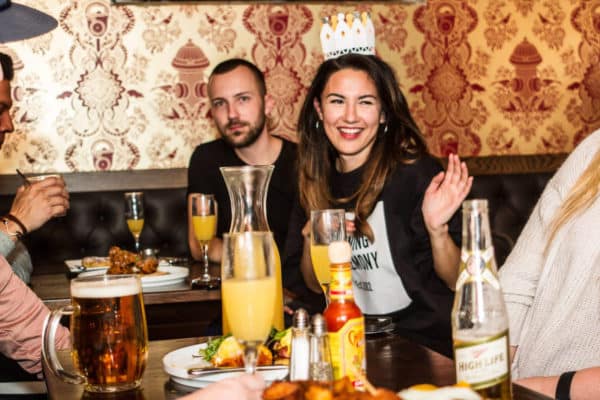
A great night out rarely happens by accident. It usually comes down to a string of small decisions that seem minor when you make them, then become obvious once the evening is underway. The room is too loud. The seating is awkward. Service slows down the moment the first round lands. Half the guests cannot hear each other, and the host starts doing quiet damage control before the appetizers even arrive.
That is exactly why a Bar With Private Room can be such a smart choice. When it is chosen well, a private room changes the rhythm of the night. It gives a celebration, networking event, team gathering, birthday, engagement party, or client evening a clear center of gravity. People relax faster. Conversations hold. The group feels looked after rather than scattered across a busy main floor.
Still, not every private room is worth booking. Some are private in name only, separated from the rest of the venue by a curtain and good intentions. Others look polished online but feel cramped, poorly staffed, or acoustically punishing in person. If the goal is an unforgettable night for the right reasons, a little scrutiny goes a long way.
Privacy has to be real, not implied
The first question to ask is simple: how private is the room, actually?
A surprising number of venues describe a semi-enclosed section as private. Sometimes that means a roped-off corner. Sometimes it is a mezzanine that overlooks the main bar. Sometimes it is a back room with a sliding door that stays open because servers need constant access. Those setups can work for casual gatherings, but they are not the same as a room where your group can settle in without feeling exposed to every shout from the game on the television outside.
True privacy matters for more than exclusivity. It changes the tone of conversation. At a birthday, people feel more willing to tell stories, make toasts, and laugh loudly without worrying about nearby tables. At a work function, it gives colleagues and clients space to talk business without leaning in every few seconds. For family events, it makes multi-generational groups far more comfortable, especially if grandparents and younger guests have different noise tolerance.
When I have seen private events go sideways, poor privacy is often one of the earliest signs. Guests start drifting out of the room because the space does not feel distinct from the rest of the venue. The host loses control of the evening. Instead of one cohesive experience, it becomes a loose collection of side conversations.
A venue does not need to be silent to be effective, but it should feel intentionally separated. A proper door, solid partitions, dedicated sound control, and a layout that does not force strangers to pass through the room all make a real difference.
The room should fit the group, not just the reservation count
Capacity figures are often technically accurate and practically misleading.
A venue might say a private room fits 30 people, but that can mean 30 standing with drinks, not 30 seated comfortably with food service. It can mean 30 if nobody brings a coat, a gift bag, a laptop case, or a little extra energy that requires actual personal space. If there will be speeches, cake, games, or a presentation screen, that advertised capacity shrinks even more.
The sweet spot is usually a room that is a little larger than your minimum expected headcount. A too-small room creates friction instantly. People block servers, chairs scrape constantly, and late arrivals end up stranded at the edge of the action. A room that is too large can feel thin and underpowered, especially for a celebration where atmosphere matters.
The best hosts think in terms of flow rather than raw numbers. Where will guests gather when they arrive? Is there a natural place for coats and bags? Can people move from mingling to dining without a furniture reshuffle? Is there enough room for someone to stand up and give a brief toast without turning the entire evening into a logistics exercise?
These details may sound fussy, but they determine whether the room feels effortless or improvised.
Sound can make or break the night
People often focus on decor and menu options first, but acoustics deserve equal attention. https://emiliozjmp019.cavandoragh.org/how-to-coordinate-catering-at-a-bar-with-private-room A beautiful room that traps noise is exhausting. Hard surfaces, low ceilings, and poor insulation can turn 20 lively guests into a wall of sound. Once that happens, people begin speaking louder just to keep up, which makes the room worse by the minute.
A strong private room lets people hear each other without strain. That does not mean dead silence. It means background music that can sit beneath conversation, not crush it. It means enough sound separation from the main bar that your group does not get hit by every cheer, DJ transition, or blender burst from the service station.
If you are planning an event with speeches, introductions, or any kind of presentation, ask directly whether the room needs a microphone at your group size. I have seen rooms with 18 guests where a host had to repeat every sentence, and rooms with 35 guests where everyone heard clearly because the space was designed well. Size alone does not tell the story. Materials, ceiling height, furniture, and room shape all matter.
For birthdays and social events, lively acoustics can be fun. For networking mixers, team dinners, rehearsal parties, or private celebrations with older relatives, they can be punishing. That trade-off should guide your choice.
Service style matters more than menu length
A long menu can look impressive, but private events succeed on execution, not option count.
The key question is whether the venue knows how to serve groups in a contained space without slowing the whole evening down. A private room with a dedicated server or a small assigned team usually performs far better than one that relies on the same staff covering the main floor. Groups order in waves. One person wants sparkling water, four want cocktails, six want another round of beer, someone asks about a dietary restriction, and the timing gets complicated fast.
Experienced service teams anticipate that pattern. They consolidate orders efficiently, clear empty glassware without interrupting conversation, and know when to appear and when to disappear. That rhythm creates comfort. Guests feel taken care of, while the host avoids becoming the unofficial event manager.
Food style also shapes the night. Passed appetizers create motion and help people mingle, but they can disappear quickly if the room is crowded or if the kitchen sends them out too slowly. Shared platters encourage generosity and conversation, but only if the table setup supports them. A plated dinner feels polished and organized, though it can formalize a casual evening more than some groups want. Cocktail-style gatherings often work best when there is enough seating for at least a portion of the group, even if everyone is not seated at once.
One of the clearest signs of a strong venue is how they answer practical questions. If you ask about pacing between rounds, kitchen timing, or guest arrival windows and get specific answers, that is encouraging. If every answer sounds vague, rehearsed, or overly flexible, expect more improvisation on the night itself than you probably want.
Drinks should suit the occasion, not just impress on paper
A private bar event lives and dies on beverage flow. Guests forgive many things if drinks arrive on time and feel thoughtfully chosen.
That does not mean every event needs a premium open bar. In many cases, a tighter, better-curated package is more successful. A short cocktail list built around drinks the bar can make quickly will outperform an anything-goes setup where every order takes seven minutes. A focused wine selection with a sparkling option, a crisp white, and a versatile red often does the job better than an encyclopedic list. Beer choices matter too, especially if the venue knows the crowd and includes one familiar option and one more distinctive local or craft selection.
Hosts often underestimate how much nonalcoholic offerings affect the overall experience. People notice when the only alcohol-free option is soda or tap water. A room that can provide thoughtful zero-proof cocktails, sparkling water, fresh juices, quality tea, or proper coffee service after dinner feels more complete and more considerate. It also helps pace the event. Not everyone drinks the same way across three or four hours, and a venue that supports those natural shifts is easier for guests to enjoy.
The right approach depends on the occasion. A milestone birthday may benefit from a celebratory welcome drink. A company mixer may need quick beer and wine service to keep things moving. An engagement gathering might justify a custom cocktail if the room has the staff to execute it consistently. What matters is fit, not extravagance.
Comfort shows up in the details guests never mention out loud
When people say a night felt smooth, they are usually talking about dozens of invisible comforts.
Temperature is one of the big ones. Private rooms can run hot quickly, especially when the doors stay closed and the group is animated. A room that feels pleasant when empty may become stuffy within 20 minutes of guest arrival. If climate control is adjustable, that is a genuine asset. If not, ask how the venue typically manages it.
Seating is another silent factor. Banquettes photograph well but can trap guests in ways that make mingling awkward. High-top setups create energy but can wear thin over a long evening. Mixed seating often works best because it lets the room support different kinds of interaction. Some guests want to perch and chat. Others want to settle in.
Lighting deserves attention too. Very dim lighting flatters the room but makes menus, presentations, and name tags harder to read. Overly bright lighting kills atmosphere. The best private spaces land somewhere in the middle and can adjust as the evening progresses.
Restroom access, coat storage, step-free entry, and clear signage may not sound glamorous, but they affect how welcomed people feel. If the room is upstairs with no elevator and half your guest list is in dress shoes or includes older family members, that matters. If people have to cross the entire public bar to find a restroom, that changes the sense of exclusivity and ease.
The booking process often tells you how the night will go
There is a strong correlation between an organized booking process and a successful event. Venues that run private room events well tend to ask smart questions early. They want to know your headcount range, the purpose of the event, timing, dietary concerns, preferred layout, and whether speeches or AV support are involved. That is not bureaucracy. It is competence.
By contrast, if a venue seems difficult to pin down before you have even paid a deposit, it is fair to worry about what happens later. Slow replies, shifting policies, unclear minimum spends, and verbal promises that never appear in writing are all warning signs.
A good host should be able to answer a few core questions before signing anything:
- what is included in the room fee or minimum spend
- how long the room is yours, including setup and breakdown time
- whether food and beverage choices must be finalized in advance
- what staffing will be assigned to the event
- how the venue handles cancellations, late guest count changes, and overtime
That short list prevents many common misunderstandings. It also forces the venue to show how transparent they are when details start to matter.
Food restrictions are no longer a side note
Ten years ago, many private events treated dietary needs as exceptions to manage quietly. That is no longer realistic. Most groups now include some mix of vegetarian, vegan, gluten-free, dairy-sensitive, alcohol-free, or allergy-conscious guests. A room can look impeccable and still leave part of the group feeling like an afterthought if the menu planning is careless.
The strongest venues treat these requests as normal event planning, not inconvenient add-ons. They can explain which dishes adapt cleanly, which require substitutions, and which are best avoided altogether. They also know how to communicate those choices to service staff, so guests do not need to repeat personal dietary concerns three times across the evening.
This is one area where menu simplicity helps. A shorter, flexible event menu is often easier to execute well than an overcomplicated one. If every dish has multiple modifications, service slows and mistakes become more likely. A curated selection with built-in versatility usually serves everyone better.
Atmosphere should match the reason you are gathering
A private room should feel aligned with the kind of night you are hosting. That sounds obvious, yet many people book based on convenience and photos alone, then realize too late that the venue’s personality is wrong for the group.
If the event is a client gathering or executive dinner, a high-energy sports bar with booming music in the main room may undercut the intended tone, even if the private space itself is attractive. If it is a birthday for a sociable crowd in their thirties or forties, a room attached to a place with some energy can be a real advantage. Guests can enjoy the sense of occasion without being trapped in something stiff.
For family events, warmth often matters more than trend. Comfortable seating, service patience, straightforward food, and accessible facilities beat a highly stylized room that looks better than it feels. For creative-industry gatherings or launch events, visual personality can carry more weight, provided the fundamentals still hold.
The private room should not fight the occasion. It should support it.
Timing is one of the least glamorous, most important decisions
Prime evening slots look appealing, but they are not always the best fit. A 6:00 p.m. Booking can work beautifully for guests who want structure and a clear start. An 8:30 p.m. Booking may create more buzz for a birthday or celebratory night, but it can also compress dining, strain service, and raise noise levels in the rest of the venue.
Weeknights often offer better value and more attentive staffing, particularly for corporate or networking events. Friday and Saturday nights bring stronger atmosphere, but also higher minimum spends and less flexibility. The right choice depends on whether your priority is energy, budget, convenience, or control.
One practical truth from experience: always build in more arrival time than you think you need. Guests rarely appear all at once. If your event requires everyone present for a speech, tasting, or plated first course, that timing gap matters. The strongest plans account for a staggered arrival window and make the room feel active from the first ten minutes, not only once every seat is filled.
Small enhancements can elevate the room without overproducing it
Private room events do not need to become productions. In fact, overdesigning the night can make it feel forced. The best enhancements are simple and useful.
A printed drinks menu for the event can speed service and sharpen the sense of occasion. A designated place for gifts or name tags reduces clutter. A small floral arrangement or a few candles can warm the room without turning the table into an obstacle course. Background music tailored to the event matters too, especially if the venue allows some control over volume and playlist style.
For business events, a tested screen connection and discreet charging access are worth more than decorative extras. For birthdays, a planned toast and a dessert moment often land better than an elaborate schedule. For engagement or anniversary parties, one thoughtful signature touch usually beats five mediocre ones.
Restraint is underrated. Guests remember how the evening felt, not how many branded napkins were involved.
Cost is about value, not just the minimum spend
Private rooms can be expensive, but they can also be efficient. A room fee or minimum spend often buys more than square footage. It can mean dedicated staff attention, better pacing, freedom from the unpredictability of walk-in crowds, and a setting where your group can actually connect.
The question is not whether the number looks high on first glance. The question is what experience that spend creates compared with trying to piece together the same night in a public area. If 18 guests are scattered across two or three tables on a busy floor, the hidden costs appear quickly in delayed service, weak conversation, and a fragmented mood.
That said, there are times when a private room is unnecessary. Very small groups sometimes do just as well with a reserved booth or semi-private section, especially if the goal is casual drinks rather than a hosted event. The room should solve a problem. If it does not, it may be the wrong format.
What guests remember the next day
People rarely leave talking about the square footage or the contract terms. They remember whether they could hear each other, whether the drinks kept coming, whether the food arrived at the right pace, and whether the room felt like it belonged to them for the night.
They remember the toast that landed because everyone could hear it. They remember a server who knew exactly when to refill glasses and when to step back. They remember not having to shout. They remember the ease of staying together rather than constantly regrouping.
That is the promise of a well-chosen Bar With Private Room. It gives the night shape. It protects the mood. It allows the host to enjoy the event instead of managing it minute by minute.
An unforgettable night is usually built from practical things done exceptionally well. Real privacy. Comfortable capacity. Clear sound. Strong service. Drinks that suit the crowd. A room with the right pulse. Those are the essentials. Get them right, and the evening takes care of itself.
The Winslow
Address: 243 E 14th St, New York, NY 10003
Phone number: +12127777717
FAQ About Bar With Private Room
Which bars in NYC offer private rooms?
Many bars in New York City offer private and semi-private rooms for parties and events, ranging from hidden basement speakeasies to upscale lounge spaces. Top options include The Back Room on the Lower East Side, Dear Irving Gramercy, Pebble Bar in Midtown, Mister Paradise in the East Village, and The Winslow in the East Village.
What is a private room in a pub called?
A small, private seating area or partitioned booth in a traditional pub is most commonly called a snug. Larger private rooms used for events, parties, or dining are typically referred to as private dining rooms, function rooms, or back rooms.
How much does a 2 hour open bar cost?
A 2-hour open bar generally costs between $15 and $45 per person, depending heavily on the quality of alcohol you choose. For a standard group of 100 guests, this translates to an overall cost of $1,500 to $4,500 before taxes, setups, and staff gratuities.